Seeing the Power of Identity, Carving One’s Own Path — The 2026 AAPI Career Fair Overflows with Valuable Insights
(Reported by Rui Li / Photos courtesy of Johnson Chen, 北美发布,华人头条)
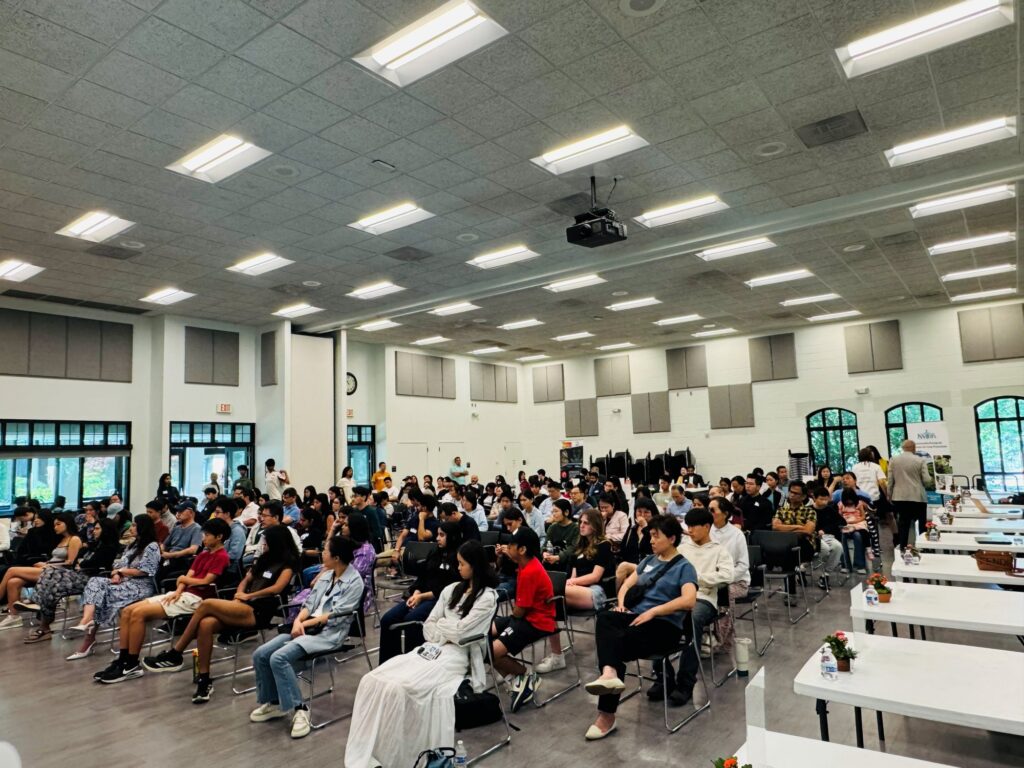
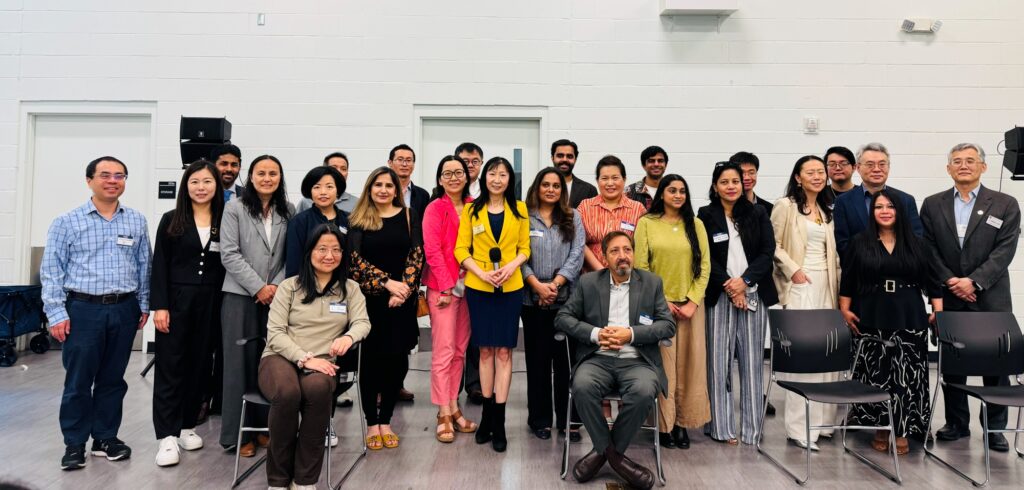
On May 16, the 2026 AAPI Career Fair took place at the Cary Senior Center in North Carolina. Co-organized by MOVENC Foundation and AANHPI Unity Connective, the event coincided with May’s AAPI Heritage Month. It drew approximately 300 attendees, including high schoolers, college students, parents, volunteers, and professionals from various industries across the Triangle area.
The fair invited AAPI professionals from higher education, healthcare, law, technology, engineering, business, and public service to engage face-to-face with students and parents. The first half of the event featured a guest panel discussion, followed by breakout table discussions where students could match their specific interests with professionals from diverse career backgrounds.
In her opening remarks, Sue Mu, an Apex Town Council Member and co-founder of the MOVENC Foundation, expressed hope that the event would provide the younger generation with a space to find role models, explore career paths, and feel pride in their identity. She noted that the AAPI community is not only a part of American society but a group making monumental contributions to the country across all sectors. She encouraged young people to recognize the power of their identity and envision greater possibilities.
Mu also highlighted that many Asian Americans in public service hold dual identities: they serve the community while also working as lawyers, engineers, entrepreneurs, doctors, or educators in their respective fields. This cross-disciplinary experience is precisely where the strength of the AAPI community lies.
Panel Discussion: From College Admissions to the AI Era
The panel discussion was moderated by youth volunteers, who presented eight representative questions selected from about 60 inquiries gathered from students. The topics spanned college admissions, the AI era, medical career paths, STEM development, internship opportunities, international student employment, and entrepreneurial insights.
The four panelists included:
- Dr. Yiran Chen, John Cocke Distinguished Professor; Professor of Electrical and Computer Engineering; Professor of Computer Science, Duke University, Pierre R. Lamond Department of Electrical and Computer Engineering;
- Dr. Helen Chen, Senior Vice Provost for Academic Strategy and Innovation, North Carolina State University (NCSU);
- Dr. Li Qian, Professor of Pathology and Laboratory Medicine; Director of UNC McAllister Heart Institute, UNC-Chapel Hill, Department of Pathology and Laboratory Medicine;
- Dr. Subhash Gumber, Physician / Founder and President of Medical Affairs, ClinTrial Research.
When discussing college applications, Dr. Helen Chen reminded students and parents that applying to college is more than just listing grades, activities, and awards—it is about articulating your own story. She urged students to consider: What has challenged you? What gets you excited? How did you persevere through your experiences? She added that an ideal university shouldn’t just be a ranking or a prestigious label, but a place suited for personal growth. She encouraged students to cultivate resilience, curiosity, and long-term capabilities, as entering college is merely the beginning of a new chapter in life.
During the AI segment, Dr. Yiran Chen shared a thought-provoking perspective: “AI does not work for us. AI works with us.” This means AI will not simply replace human labor but will collaborate with humans, reshaping research, technological development, and future career landscapes. He reminded students that many traditional skills may be transformed or phased out by AI, making critical judgment, effective questioning, interdisciplinary skills, and creative thinking all the more essential for young people.
Regarding the medical path, Dr. Subhash Gumber pointed out that premed students do not necessarily need to major in biology or chemistry as undergraduates. Medical schools require specific prerequisites, but they welcome applicants from computer science, the arts, or other diverse backgrounds. He noted that a student who can bridge computer science and medicine could do incredibly impactful work in the future. He also cautioned young people against choosing medicine solely for the income, emphasizing the need for a genuine passion for patient care and helping others.
Dr. Li Qian shared her journey through the lens of scientific research and STEM development. She candidly admitted that she didn’t map out her future early on during high school or college; it was under the guidance of later mentors that she found her way into cardiovascular research and regenerative medicine. She encouraged youth to explore at their own pace without premature anxiety. Speaking on the future of STEM, she noted that it opens doors to many avenues—medicine, engineering, entrepreneurship, education, and scientific research. The key is not a specific job title, but finding something that truly excites you and commands your long-term dedication.
International Students, Internships, and “Visible Capabilities”
Addressing the challenges international students face in the U.S. job market, Dr. Helen Chen reminded students that while visas and policy environments are often beyond individual control, they can focus on what is controllable: building internship experience, communication skills, professional networks, and long-term relationships. She emphasized that networking should not begin only when one desperately needs a job, nor is it about simply asking for recommendation letters or openings. Truly effective networking is reciprocal and built on long-term trust.
When discussing internships and research opportunities, Professor Yiran Chen shed light on the reality of university labs hosting high school students. He mentioned that professors receive a deluge of emails each year, but their capacity to reply and accept students is extremely limited. What catches a professor’s eye is not a generic “I want an opportunity,” but a student who has actually read their papers, expresses interest in a specific problem, and explains why they are a good fit for that direction. This is a crucial takeaway for students: opportunities favor those who come prepared and can clearly articulate their interests.
From Finding Opportunities to Creating Opportunities
During the breakout sessions, NCSU Professor Paul Liu shared an inspiring case study about Gao Dalie, a local youth raised in North Carolina who attends NCSU. This student has been consistently running a YouTube channel to share cutting-edge AI knowledge, covering hot topics like AI Agents, LLMs, RAG, and Generative AI. (https://www.youtube.com/@GaoDalie_AI)
Professor Liu noted that what makes Gao Dalie’s example compelling is not just his grasp of AI, but the fact that he has turned his learning, understanding, and expression into a public-facing portfolio. On the surface, a YouTube channel is about tech-sharing; underneath, it demonstrates a young person’s multifaceted capabilities: the ability to explain complex concepts clearly, long-term consistency, independent judgment, and the capacity to turn an idea into a sustained project.
In today’s employment landscape—especially in computer science and AI-related fields—the traditional formula of picking a hot major, grinding for a high GPA, sending resumes, and interviewing is still important, but no longer sufficient. Increasingly, opportunities come from paths students forge themselves: an open-source project, a GitHub repository, a tech blog, a YouTube channel, an AI tool, or a long-term portfolio.
Professor Liu’s point aligned perfectly with Dr. Helen Chen’s earlier advice on college admissions and career planning: what truly moves people is not a laundry list of activities, but how a young person tells their story. Today, YouTube channels, Medium articles, GitHub repositories, newsletters, and personal websites serve as public portfolios. They showcase not only technical skills but also a person’s interests, communication style, drive, and execution.
This example served as a powerful reminder to the students and parents present: young people shouldn’t just look for opportunities—they need to learn how to create them. It’s not just about proving what you have learned, but showing what you can build. Opportunities do not always lie in the hands of others; sometimes, the path is paved one step at a time by yourself.
Breakout Discussions: Bringing Questions directly to Professionals
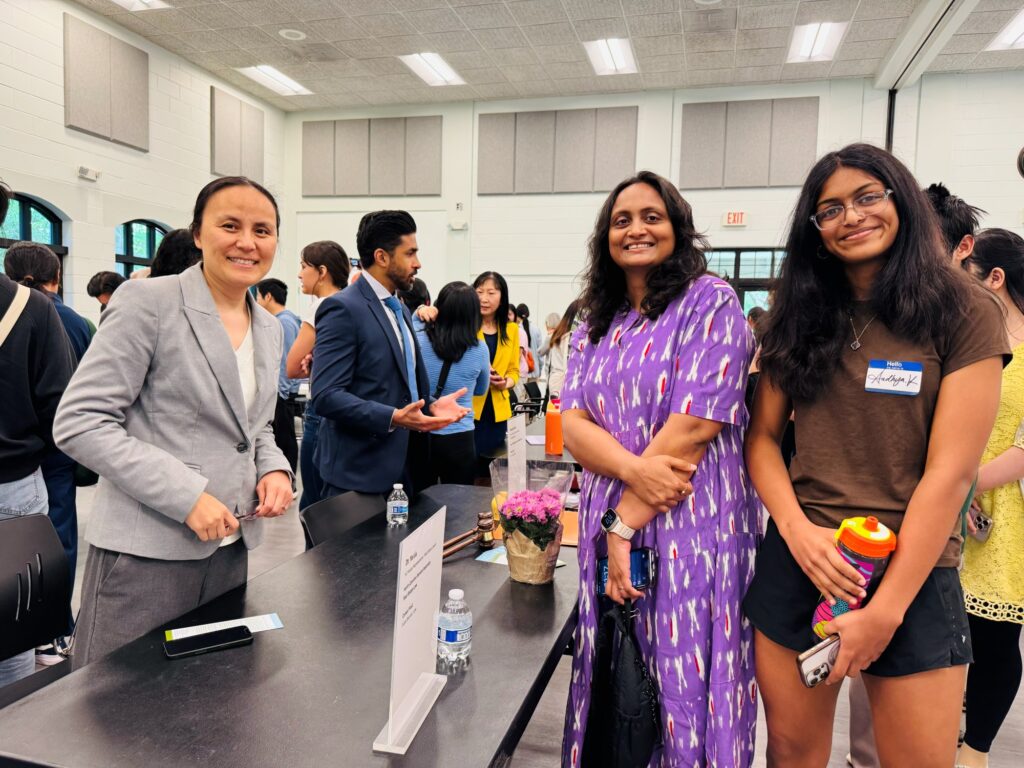
Following the panel, the energy remained high during the one-on-one breakout table sessions. Professionals from academia, healthcare, law, technology, engineering, business, and public service hosted separate tables, allowing students and parents to freely choose their interlocutors and ask specific questions.
Compared to the panel discussion, this portion was much more open and personalized. Many students brought targeted questions to the tables, often accompanied by parents who listened in. The conversations dipped into college major selection, medical school applications, AI trends, internship openings, legal careers, public service, entrepreneurship, and building self-confidence. The event fostered close connections, with many attendees exchanging WeChat contact info to stay in touch.
Multiple guests used their personal trajectories to remind the youth that career paths are rarely crystal clear at the start; most opportunities emerge through continuous exploration, proactive questioning, and ongoing trial and error.
The event wrapped up with a raffle. Youth volunteers took the stage to draw prizes, bringing fun surprises to the students and attendees. The raffle brought the AAPI Career Fair to a close in a relaxed, friendly, and community-centered atmosphere.
Mu concluded that the event represented a collective show of community support for the younger generation: “It allows students to see role models, and in turn, see themselves. It helps them understand that identity does not have to be a professional limitation—instead, it can be a source of strength to understand the world, connect communities, and shape the future.“
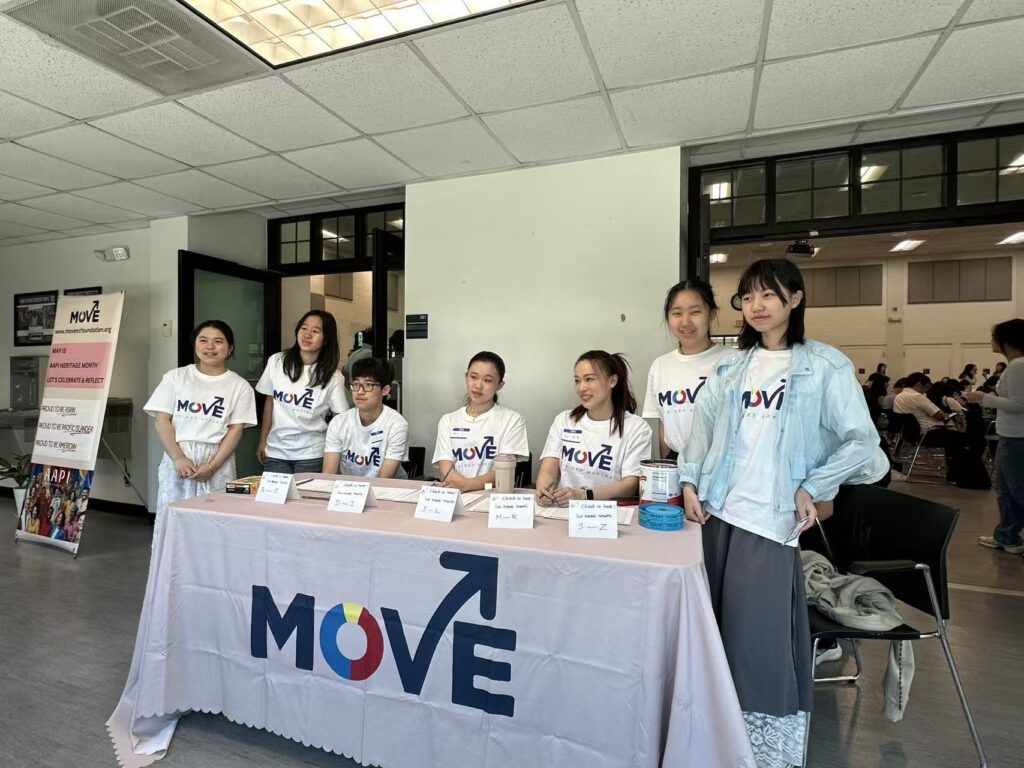
As the event drew to a close, Council Member Mu expressed her gratitude to all the volunteers. “Every community event like this relies on volunteers of all ages. We had father-daughter teams, close friends, neighbors, and even friends who traveled from out of state just to help. They arrived early and stayed late. You might not see or hear them on stage, but they are the true source of our community’s strength.”
Originally published by The North America Release. Written by Ruiran.
看见身份的力量,走出自己的道路——2026 AAPI职场交流会“真经”爆棚
Related coverage from Chinese Headline New Media:
美国北卡成功举办亚裔青年职业成长论坛 为AI时代未来人才发展指明方向